
The entry does the talking
Vestibules, matting, door glass and the first stretch of floor take every bit of grit, road salt and weather a parking lot carries in.
Serving Lincoln, Nebraska & surrounding areas
Mon–Fri 8am–6pm · Sat 9am–2pm
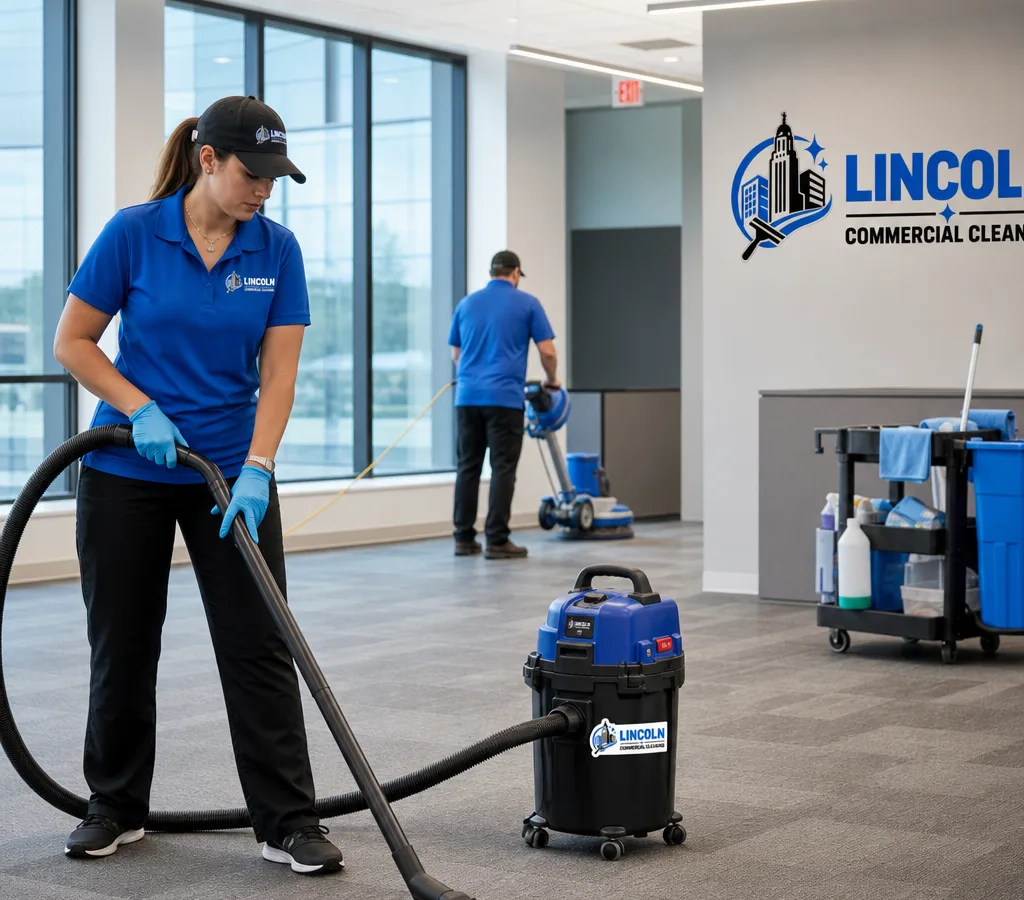
Selling floor basics in Lincoln, Nebraska
Sales floors, entries and common areas cleaned before you open, so the first customer of the day walks into a store that looks stocked and cared for.
Selling floor basics
Retail is the building type where cleaning is part of merchandising. A scuffed entry or a dusty display shelf changes what a shopper believes about the stock on it.
Vestibules, matting, door glass and the first stretch of floor take every bit of grit, road salt and weather a parking lot carries in.
Grit collects beneath gondolas, racks and end caps where a quick pass never reaches, then migrates back out into the aisle.
Mirrors, benches, hooks, floors and the corner behind the door are where a shopper looks closely while standing still.
Stores open to the public on a published schedule, so work lands before opening, after closing, or inside a quiet mid-morning window.
Store task coverage
Formats differ between a single storefront and an anchored center, and a scope follows footfall, square footage and whoever carries responsibility for the common area.
Aisles, the space under fixtures, end caps and transitions between flooring types are swept, vacuumed or machine cleaned as each surface requires.
Matting is lifted and cleaned underneath, tracked grit is removed, and door glass and push plates are detailed on each visit.
Mirrors, benches, hooks, floors and corners are cleaned and reset, with left-behind tags and hangers collected for staff.
Counters, card terminals, bagging shelves, the floor behind a register and the queue line are cleaned where customers stand longest.
Toilets, sinks, mirrors, partitions and floors are cleaned each visit and consumables topped up, with fixture bases and grout included.
Receiving floors, break areas, trash staging and the path between stockroom and floor are kept clear and cleaned on the agreed interval.
Store formats
Lincoln retail spans strip centers, standalone stores and enclosed common areas, and each arrangement splits cleaning responsibility between tenant and owner differently.
Apparel, specialty, furniture, hardware and service retail where one tenant owns the sales floor, the fitting rooms and its own entry glass.
Corridors, courts, shared restrooms, vestibules and lot-facing entries that a center manager or owner is responsible for across every tenant.
Store visit rhythm
Retail cleaning is scheduling work as much as cleaning work, since nothing can happen in front of a customer and nothing can be left unfinished at opening.
The floor plan, the fixture layout, the flooring types and where grit ends up during a trading day all get noted.
Pre-open, post-close or a quiet period is chosen, together with how a crew gets in and who holds the alarm code.
Sales floor, fitting rooms, restrooms, checkout and back of house are each given a list and an interval, because they do not soil at one rate.
The crew works the sales floor and entries first, so an early staff arrival never has to walk through wet floor to open up.
Volume swings hard around holidays and weather, so the frequency is reviewed rather than left fixed through a peak.
Work beyond the route
Stores take visible wear, and the heavier work that repairs it needs closure time a trading day does not offer. Those projects get a booking of their own.
Hard floors in a store wear in lanes, and floor care handles stripping, recoating, burnishing and carpet extraction on a cycle set by that wear. A refinish booked overnight ahead of a slow trading day is the usual pattern.
Storefront glass, entry doors and display cases are window cleaning work, and street-facing retail generally wants a shorter interval than an office does. The standing arrangement behind a store route is described on the janitorial services page, and the general commercial cleaning service covers a mixed portfolio.
A store taking over a unit, or reconfiguring a floor plan, needs post-construction cleaning before stock goes out. Where a center has fallen behind in its common areas, deep cleaning resets them, and a clinic or optical suite inside a retail property follows the medical office cleaning plan.
Retail cleaning pricing
Stores are quoted as recurring work, usually monthly, with a per-visit figure showing how much of that comes from frequency rather than from scope.
The published range for ongoing store cleaning here runs about $300 to $1,500+ a month, depending on the property and the number of visits. A small storefront cleaned weekly often sits between $150 and $400 per visit, and bigger properties, meaning multiple restrooms, a breakroom and heavy footfall, are quoted at $500 to $1,200+ for each visit.
Footfall is the main input, with flooring type close behind. Fixture density, how many fitting rooms and restrooms stay open to the public, whether an entry faces a parking lot, and the length of a trading day all pull the figure around.
Common area work in a center is scoped apart from a tenant's interior, since responsibility sits with different parties. Overnight floor refinishing and heavy grout work are quoted separately after the walkthrough, and the recurring figure comes to you in writing.
Across the sales floor
Retail judgment happens fast and at eye level: gloss on an aisle floor, a clean mirror in a fitting room, door glass without handprints at the entry.
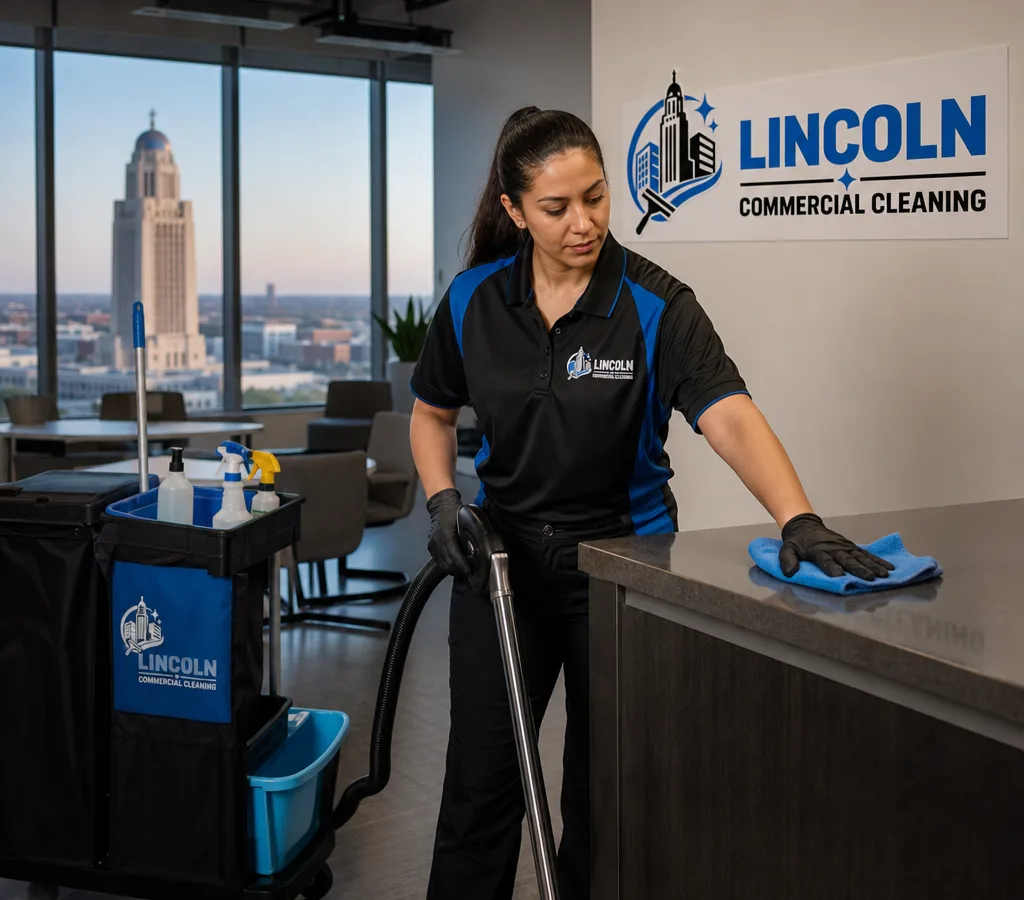
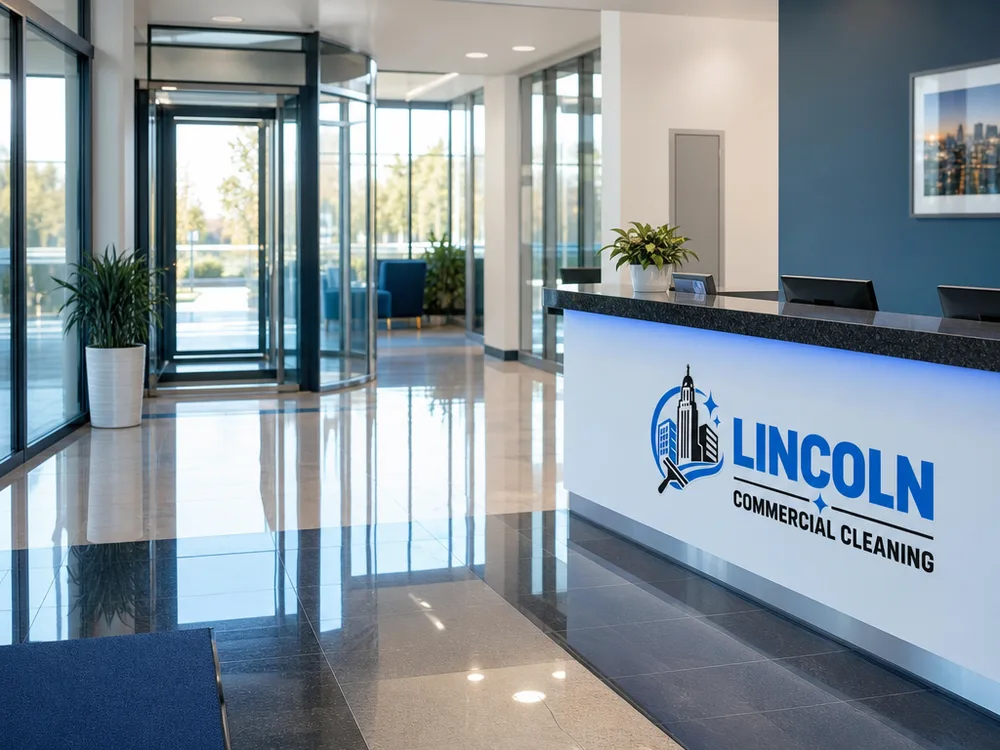
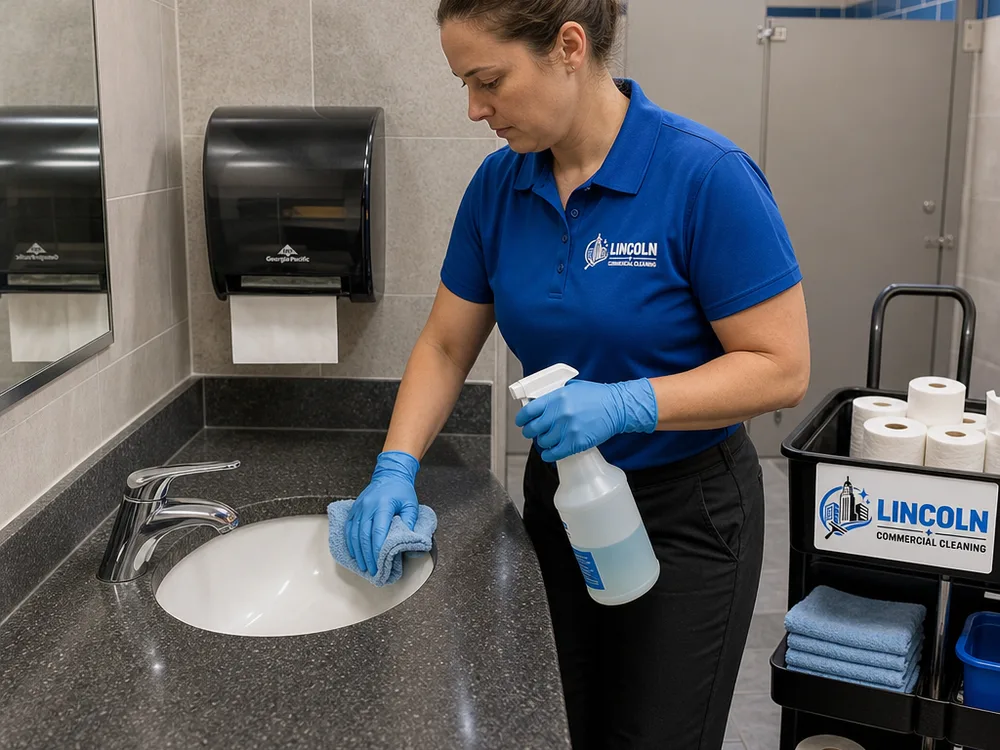
Pre-open and post-close visits are both normal, and the choice usually comes down to who can let a crew in. Keys, codes and the alarm routine are settled in writing before the first visit, and work finishes before the first staff member arrives for a shift. Centers with secured corridors can arrange escorted access instead.
Store manager queries
Store and center managers generally need to know how the work fits around trading, and who carries responsibility for which part of a property.
Light daytime work such as restroom checks, entry glass and spot mopping fits a trading day without getting in the way. Anything involving machines, cords or wet floor is kept to closed hours, because a sales floor and a crew do not share space well. Most stores end up with a mix of both.
That depends on the lease. Tenants typically handle their own unit while the owner or center manager covers corridors, courts and shared restrooms, which means two separate scopes. We can hold either side, or both, and the boundary is written down so nothing is cleaned twice or missed entirely.
Dining tables, chair legs, tray stations, trash enclosures and the floor around them are part of a common area scope where that is included. Grease behind a tenant's counter belongs to the tenant, and the restaurant cleaning page covers that work. The dividing line goes into the scope.
Daily, in any store with regular apparel traffic. Mirrors, benches and floors pick up marks quickly, and a room that looks neglected changes how a shopper treats it. Stores with light traffic can run a lower frequency with a weekly detail pass instead.
Holiday trading, weather and sale events all raise the soil load, and frequency gets lifted for that stretch rather than left where it was. Extra visits can be added for a defined period and then removed. Telling us the peak calendar in advance is what makes that practical.
Arrange a store visit
Give us the square footage, the trading hours and whether the scope covers one unit or a whole center. A walk sets the areas and the frequency, then the quote follows in writing.
Request a quote
Send the building type, approximate size and the areas you want covered. A walkthrough is scheduled next, then a written scope and quote.