
Soil that is not office dust
Metal fines, pallet splinters, packaging debris, oil film and airborne dust each call for a different chemical and method than desk work does.
Serving Lincoln, Nebraska & surrounding areas
Mon–Fri 8am–6pm · Sat 9am–2pm
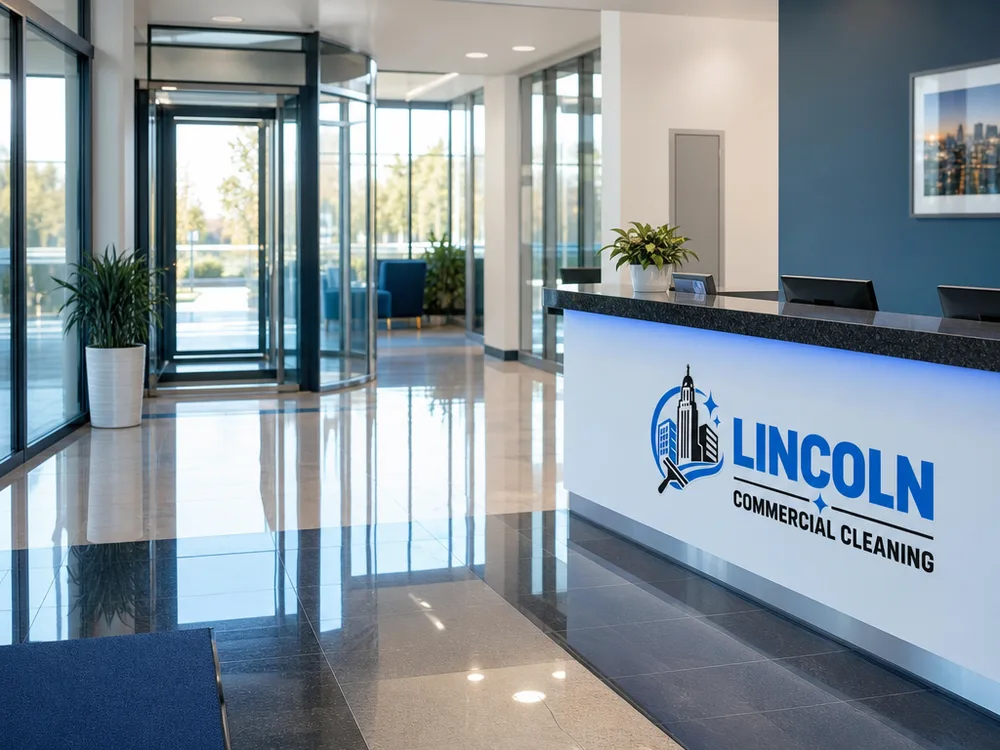
Inside the facility in Lincoln, Nebraska
Warehouse, plant and distribution space cleaned on a plan that works around production, shipping and the safety rules already in place.
Inside the facility
Industrial buildings hold soil an office never sees, and they rarely stop running long enough for a crew to work freely. Both facts shape the job.
Metal fines, pallet splinters, packaging debris, oil film and airborne dust each call for a different chemical and method than desk work does.
Cleaning gets planned against shift changes, shutdowns and shipping windows so a line or a dock does not stop for us.
Lockout procedures, protective equipment zones, forklift traffic rules and restricted areas are followed as your plant writes them.
Overhead beams, pipe runs, light fixtures and rack uprights collect dust that eventually falls on product, so they get addressed with the right access equipment.
Task breakdown
Scopes vary with what a building makes, stores or ships, though the work tends to group into a familiar set of tasks once a plant has been walked.
Ride-on and walk-behind scrubbers lift embedded grime, tire marks and dust from warehouse and production floors.
Oil and lubricant film around equipment footprints, press areas and maintenance bays is broken down with industrial cleaners rather than wiped around.
Beams, conduit, ductwork exteriors, sprinkler lines and fixture housings are cleaned so settled dust stops dropping onto work surfaces.
Uprights, beams, decking and the aisle floor beneath pallet positions are cleaned when racks can be worked safely.
Levelers, pits, bumpers, aprons and the staging space behind them get swept, scraped and washed down as access allows.
Fixtures, showers where present, benches, floors and dispensers are cleaned and restocked on the same visit as the floor work.
Plants and warehouses
Industrial scopes land in buildings where product moves, so the cleaning has to respect inventory, equipment and the people operating both.
Warehouses, freight terminals and fulfillment space where slab condition, dock cleanliness and rack dust matter to safety and to inventory alike.
Production floors, fabrication bays, assembly areas and maintenance shops carrying oil film, metal debris and machine-adjacent soil.
Shift planning
Industrial cleaning succeeds or fails on sequencing, because a crew in the wrong aisle at the wrong hour costs a plant more than the cleaning saves.
A supervisor walks us through the building, the hazards, the forklift routes and the areas that are off limits without an escort.
Each area gets matched to a method and a chemical, with equipment chosen for the slab, the ceiling height and the aisle widths.
Site rules, required protective equipment, lockout requirements and the sign-in procedure are confirmed before anyone brings a machine in.
Crews work the agreed windows, usually a shutdown, a weekend or the gap between shifts, moving area by area so production keeps flowing.
Finished areas get walked with your supervisor, anything deferred for access is listed, and the next window is set if the scope runs in stages.
Nearby services
Plants rarely need only one kind of cleaning. Office areas, front entries and finished floors inside the same building run on different plans.
Front offices, conference rooms and break areas attached to a plant are usually handled under a janitorial schedule rather than inside the industrial scope. Keeping them separate stops nightly office work from being priced against machine time.
Resilient and coated floors in the office wing fall to floor care, which covers stripping, recoating and extraction that a scrubber pass does not replace. Glass at the entries, offices overlooking the floor and interior partitions goes to window cleaning.
After a plant expansion or an equipment install, post-construction cleaning handles trade debris and fine dust before normal service resumes. Where a building has been running without a plan and needs one reset instead of a standing contract, deep cleaning is the usual choice.
Quoting industrial work
Industrial scopes are quoted per project, because a warehouse slab and a maintenance bay in the same building take different equipment and hours.
As context for ongoing service, recurring commercial cleaning in Lincoln typically runs about $300 to $1,500+ per month depending on the building and frequency. That band describes scheduled maintenance work, not a one-time industrial scope.
Published rates for deep cleaning of commercial interiors run about $0.20 to $0.60 per square foot, with small office suites often around $250 to $900+. Heavier industrial scopes price above that range, because labor hours, industrial chemicals and machine rental all climb with slab area, soil type, ceiling height and access requirements.
Work of this kind is quoted per project after a walkthrough, and the number comes to you in writing before anything is scheduled. Staged scopes can be priced stage by stage when a plant can only release one area at a time.
From the floor
The difference shows in the places a facility tour stops: the slab, the dock, the aisle floor under the racks, and the overhead nobody looks at until dust falls.
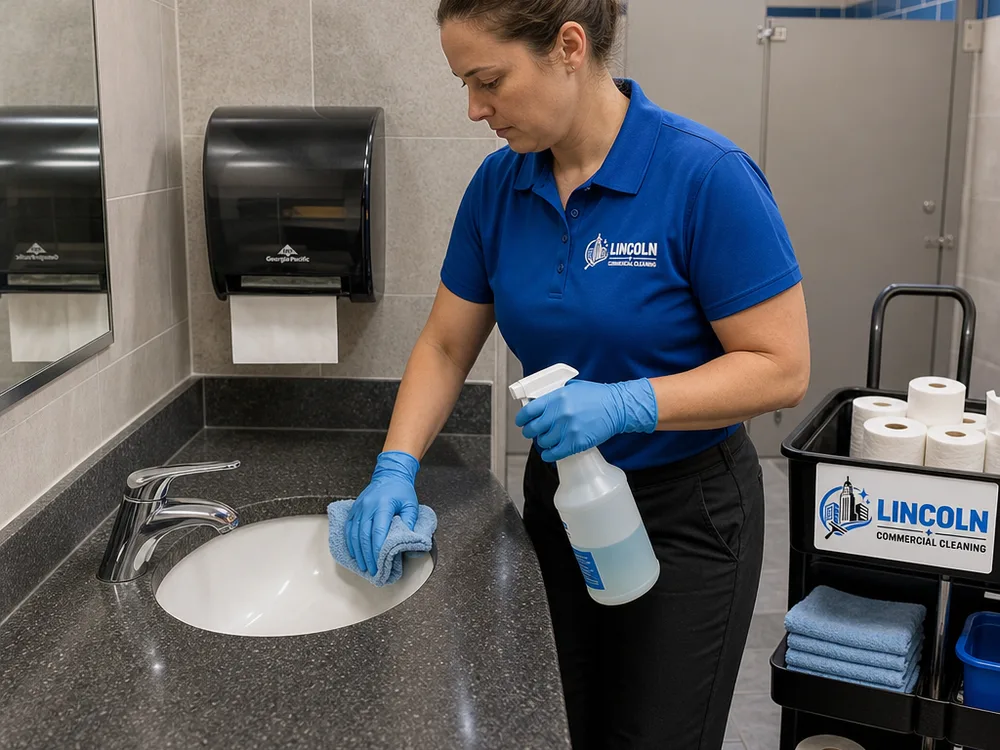
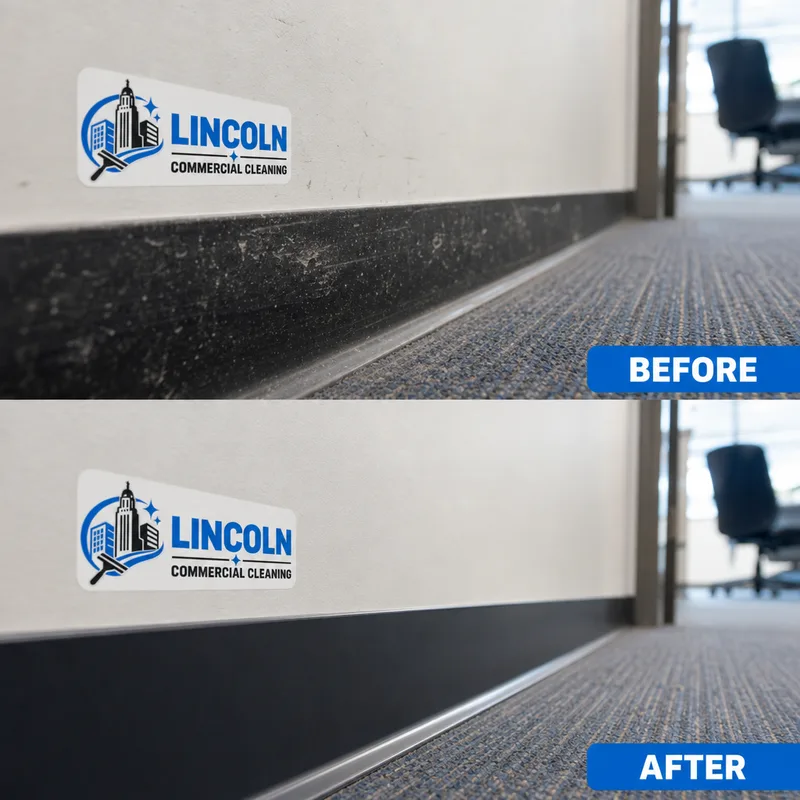

Partial operation is normal, and the work gets sectioned so crews and forklifts are never in the same aisle. Areas that cannot be cleaned safely during production move to a shutdown window or a weekend. Your supervisor sets that boundary and the sequence is planned around it.
Supervisor questions
The assumption that sinks most industrial scopes is that a plant can be cleaned like a large office. Different soil, different equipment, different hours.
Cleaning around a machine, its footprint and the floor beneath it is standard work. Anything inside a machine, inside a hood, or requiring lockout gets confirmed with your maintenance lead during the walk, since your procedures govern it. The agreed boundary goes into the written scope so there is no guessing on the night.
Scopes get split into zones and worked in the quietest windows available, often between shifts or across a weekend. Each zone is released back to you before the next one starts, so inventory keeps moving. A staged plan takes longer on the calendar but avoids shutting anything down.
Height work depends on the equipment a building allows and the clearance available, both checked during the plant walk. Lifts and extension systems cover a lot of high bay space, and anything past safe reach is noted rather than attempted. You will know what is included before the quote is signed.
Painted aisle lines, hatching and equipment outlines get cleaned with methods that do not strip them, which usually means a gentler chemical and a softer pad in those lanes. Faded markings are reported so your maintenance team can repaint. Cleaning makes existing paint read more clearly, it does not restore it.
Both patterns are common. Many plants book a heavy reset, then move the maintainable parts onto a recurring schedule so the slab and restrooms stay in shape. Others run quarterly or semiannual heavy work around a production calendar and handle daily tidying in house.
Book a plant walk
Give us the building size, what it produces or stores, and the windows when work can happen. A walk of the floor with your supervisor comes first, then methods matched to the soil and a staged quote in writing.
Request a quote
Send the building type, approximate size and the areas you want covered. A walkthrough is scheduled next, then a written scope and quote.